
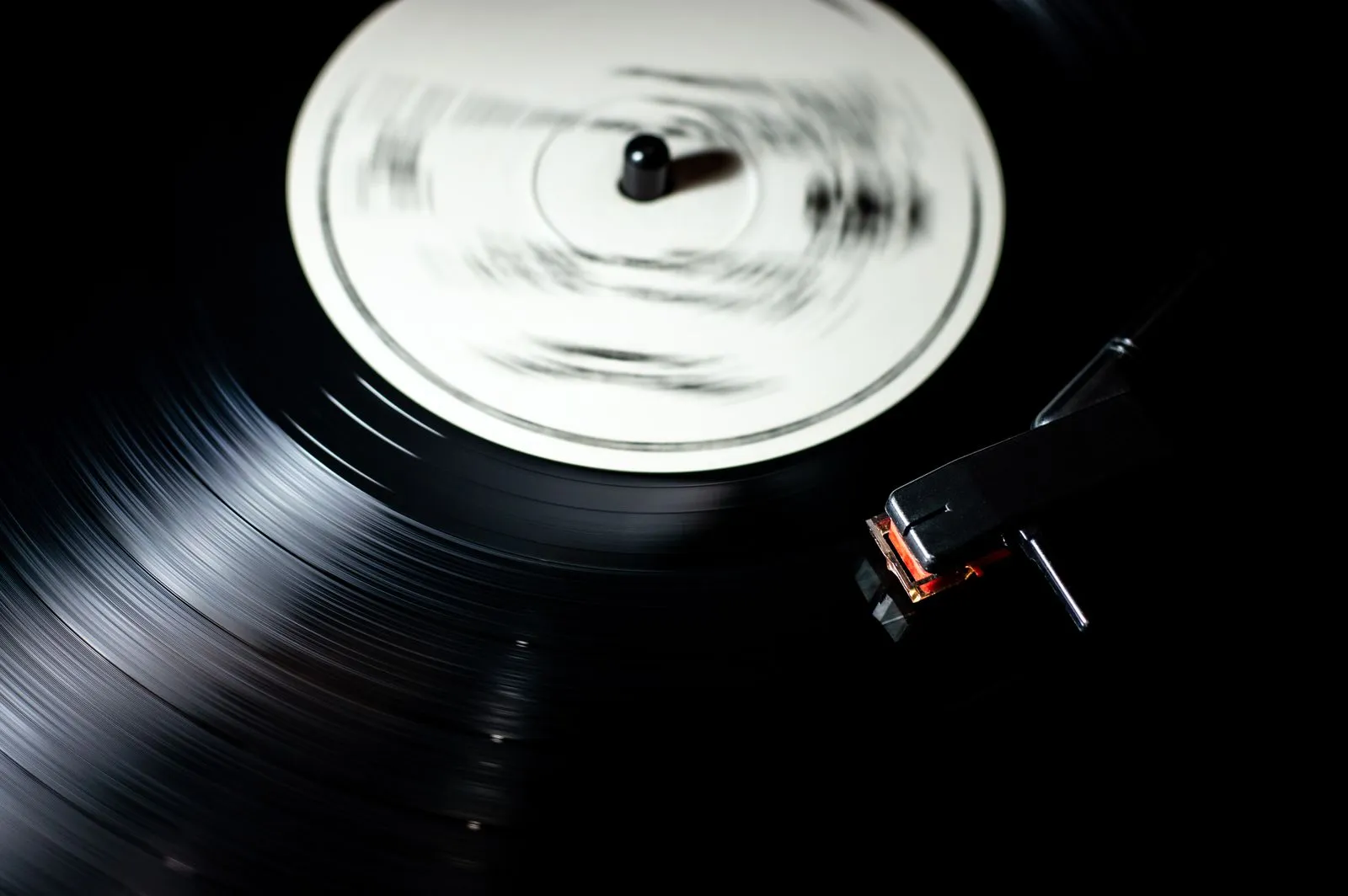
A used classical record can offer a satisfying way to explore a performance, but its condition is not always clear from the cover. Take a moment to inspect the disc, read the label, and check the sleeve before deciding. These details can help you anticipate sound quality, confirm which recording you are buying, and spot damage that may affect playback. You do not need specialist equipment—careful observation and a few practical questions are often enough.
Inspect the Record Surface
Hold the record by its edges and center label, then tilt it under a light. Look for scratches, cloudy patches, residue, and signs of warping. Fine, shallow marks may be cosmetic, while deep scratches that catch your fingernail are more concerning. A record that looks clean can still have playback noise, so treat a visual check as a useful first step, not a guarantee.
If the shop allows it, ask to hear a short portion of the record. Listen for repeated clicks, pops, crackle, distortion, or a persistent swishing sound. In classical music, quiet passages can make surface noise especially noticeable. Ask whether the record has been cleaned and whether the shop offers a return or exchange option if playback reveals a problem.
Read the Label Carefully
Check the label for the composer, work, performers, conductor, and record company. Classical works often have several recordings with similar titles, so the performer and conductor can be as important to your choice as the composer. Also confirm that the disc contains the movements or selections you expect; multi-disc sets may be missing a volume or include a different program than the cover suggests.
Look for catalog numbers and other pressing information on the label and in the record’s inner groove area. These details can help distinguish editions, but a particular label or pressing is not automatically better. Match the record to your listening priorities: perhaps you want a specific interpretation, a complete work, or a particular format. If details are unclear, ask the seller to help verify them.
Check the Sleeve and Set
Examine the sleeve for splits along the seams, water damage, mold, heavy staining, and writing. Wear on the cover may be mostly cosmetic, but dampness or a musty smell can signal storage problems. Check the inner sleeve too. A torn or rough paper sleeve can leave the record more exposed to dust and scuffs; a clean replacement sleeve may be a practical fix if the vinyl itself is in good shape.
For a boxed set, count the discs and compare them with the printed contents list. Make sure each disc is in the correct sleeve, and look for booklets, notes, or inserts if those matter to you. Condition can vary from one disc to another, so inspect each record rather than judging the whole set by its box. Note any mismatch before you buy.
Match Condition to Your Needs
Decide what matters most before choosing a copy. If you want quiet playback for close listening, prioritize a clean surface and ask to audition the record. If you mainly want a performance or a complete collection, you may accept a worn sleeve or light cosmetic marks, provided the disc plays well. Be clear about the difference between cover wear and damage that affects the music.
Ask the seller how the record was graded and what each condition description means in that shop. Grading terms can be subjective, so request specific information about scratches, noise, warping, and missing pieces. At Harborlight Classical in Portsmouth, you can ask staff about a record’s condition and identifying details before making a choice.
A reliable used-record purchase starts with a close look at the vinyl, a careful read of the label, and a check of the sleeve and contents. Consider how much surface noise you will tolerate and which performance details matter to you. Take your time, ask direct questions, and choose the copy that fits your listening plans.